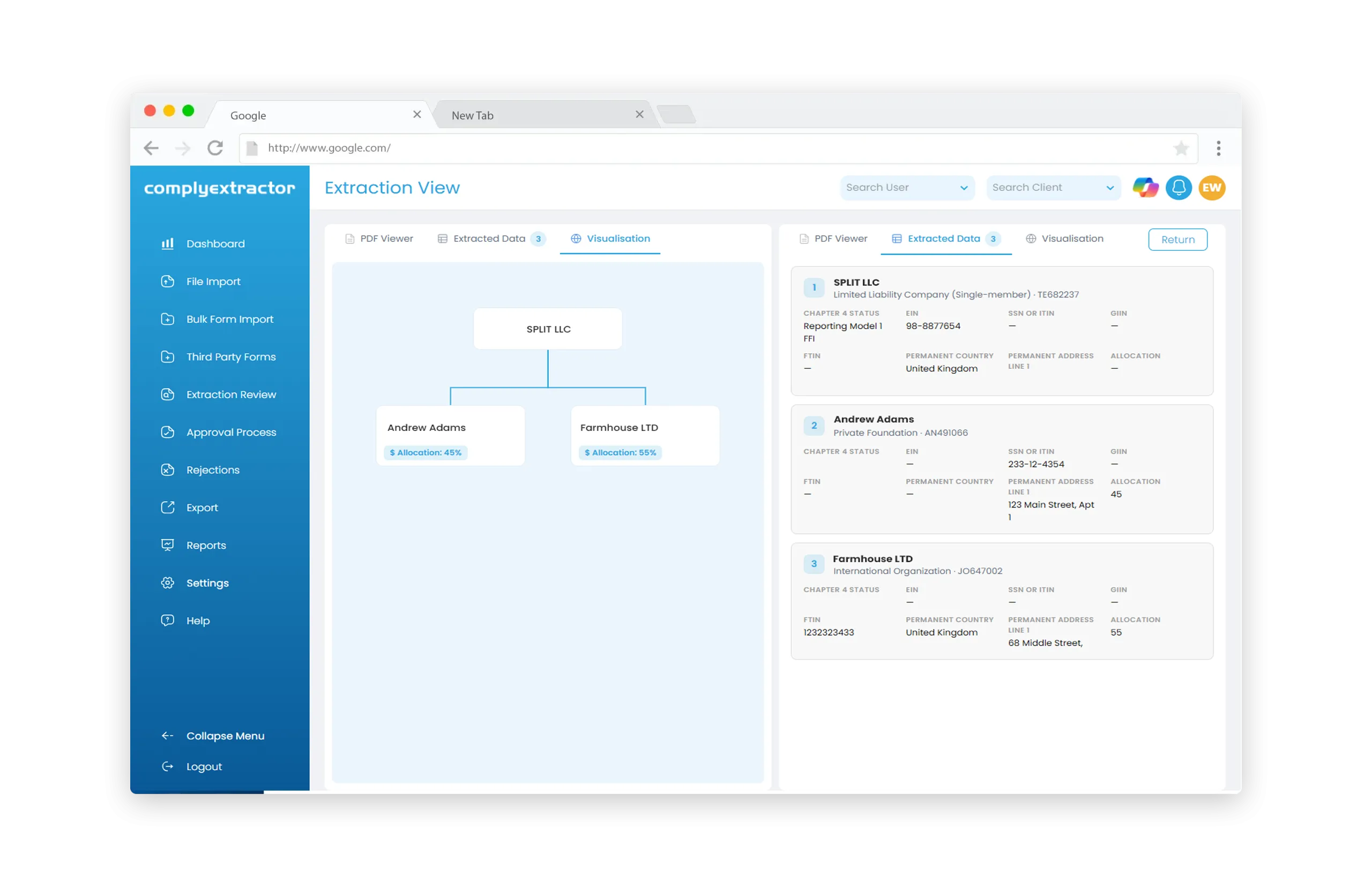
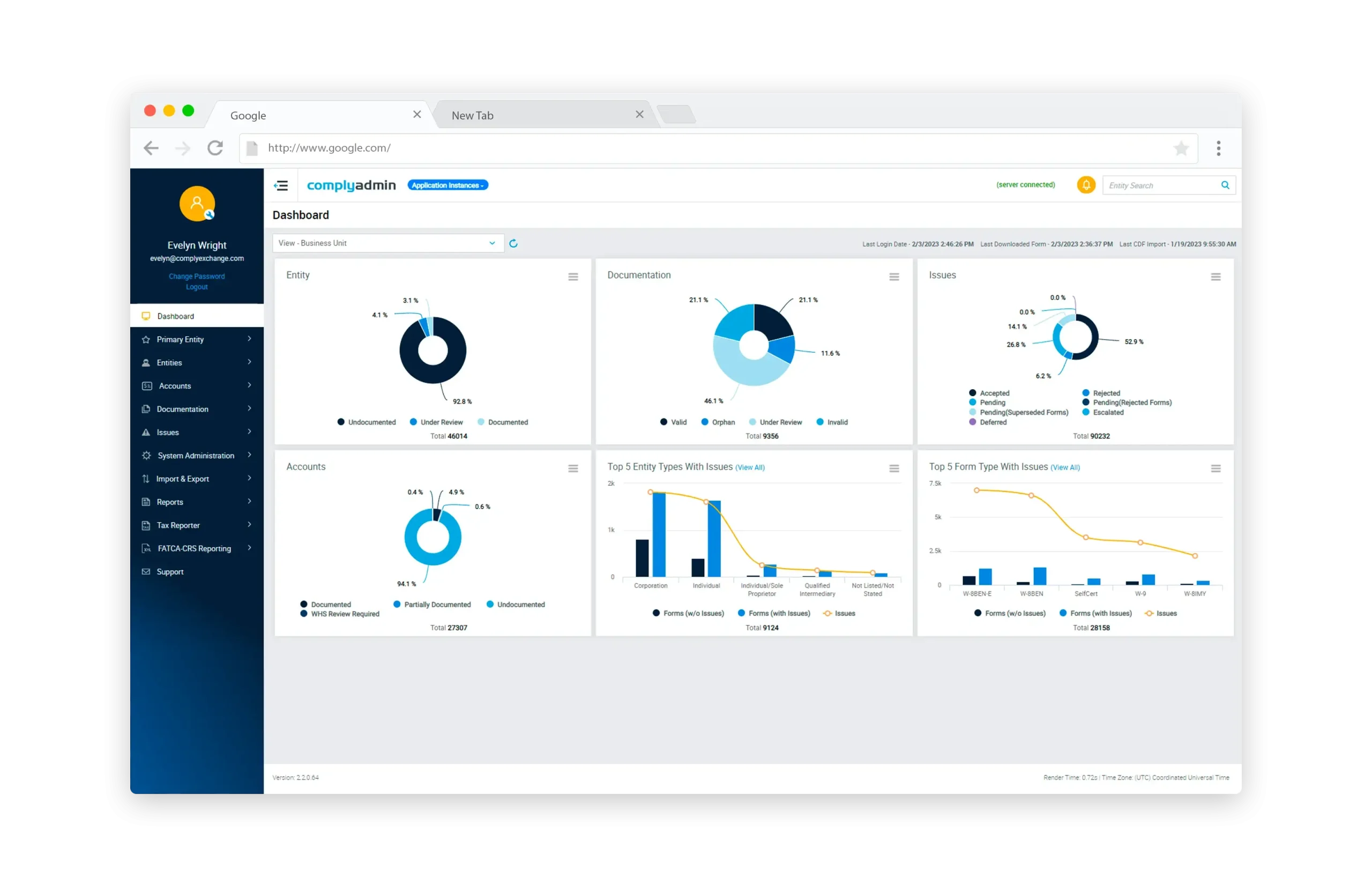
IRS TIN matching can play a valuable role, helping organizations verify payee details early and reduce the risk of reporting errors before they become compliance issues. The regulatory landscape is shifting, particularly for businesses handling digital assets. The amendments to Section 6045 and 6045A are a prime example, expanding on the definition of a broker extending this to digital asset trading platforms, payment processors, hosted wallet providers and the overall inclusion of digital assets, making them subject to the same reporting standards as traditional securities.
Implications of Backup Withholding and Penalties
Looking at the requirements to backup withhold under Section 3406, along with penalties for failure to file correct information returns under Section 6721, the requirements along with the amendments to Section 6045 and 6045A emphasize the need for a robust system for taxpayer information. Beyond just filing forms, like the Form 1099-DA, effective tax compliance hinges on a reliable and accurate information collection process. One key strategy to streamline data collection, verification, and ultimately avoid IRS penalties is to implement proactive IRS TIN matching.
While Notice 2024-56 provides penalty relief imposed under Section 6721, it is important to note that this only applies to the sale and exchange of digital assets. It does not apply to other products, like rewards, airdrops, or staking income, and it also does not provide relief from backup withholding obligations under Section 3406. This means that you have to demonstrate a good faith effort was made as far as proper solicitation procedures and reasonable steps were taken to correct the errors. This is where the IRS TIN Matching program comes in, to demonstrate that as the withholding agent, you have taken steps to certify your account holders TINs.
When Should I Collect TINs?
A best practice is to collect and validate TINs during account opening or onboarding. Each organization should assess its processes to determine how best to implement this standard. In doing so, there may be a need to remediate existing account holders while simultaneously integrating improved procedures for new accounts. Bulk TIN matching is a great way to ‘stop the initial bleed’ by leveraging information that you already have on file.
Real Time TIN vs. Bulk TIN Matching Options
The IRS allows for two platforms for submitting TIN Matching, which are Real Time TIN and Bulk or Batch TIN Matching options. There are some key differences between the options with the main benefits being:
| Real Time IRS TIN Checking | Bulk/Batch IRS TIN Checking | |
| Speed | This method provides immediate verification results. It’s designed for quick checks, often within seconds. It’s ideal for situations where you need instant validation, such as during customer or vendor onboarding. | This method processes large volumes of TINs in batches. Results are typically returned within a longer timeframe, often within 24 hours. |
| Volume | Typically handles smaller volumes of TIN verifications at a time; often used for individual or small groups of verifications. | Designed for verifying large datasets of TINs, such as those in your existing vendor or customer database. |
| Use Case | Best for situations requiring immediate feedback, like verifying information during an online transaction or when setting up a new vendor. | Ideal for periodic checks of your entire database to ensure compliance before tax reporting deadlines. |
Again, the best time to collect and match TINs is going to be specific to an organization, as well as when the implement real-time TIN checking vs. batch/bulk TIN checking. With all of this in mind, TIN checking is a great safety net, a first line of defense, to filing information returns with correct and complete TINs.

Implementing IRS TIN Matching as a Process
The IRS TIN Matching Program, while difficult to gain access to, provides significant advantages to businesses looking to improve tax documentation accuracy and avoid compliance issues. Some of the key benefits include:
- Error Reduction: By validating TINs and names against the IRS website in real time, businesses can significantly reduce mismatches that can lead to penalties and B-Notices.
- Improved Compliance: Regular TIN checking ensures that account holder records remain up to date, reducing the likelihood of incorrect tax reporting and withholding mistakes.
- Time and Cost Savings: Addressing incorrect TINs proactively prevents costly IRS penalties, which can reach up to $660 per incorrect return for intentional disregard. It also minimizes the time spent on corrective actions after filing.
- Better Customer Experience: Validating TINs early in the process reduces the need for follow-ups with account holders, preventing disruptions in their transactions and overall customer friction.
- Enhanced Audit Readiness: Keeping a verified and regularly updated TIN database strengthens a business’s ability to defend against IRS audits and abate penalties under Section 6721, where relief may be available if a filer can demonstrate reasonable cause for errors.
If you are looking to implement TIN matching and you cannot do so through the IRS website, there are providers in the market, such as SOVOS, who can help.
Stay Informed
To help navigate this topic more in-depth, experts Jessica Zeltser (Comply Exchange), Wendy Walker (Sovos), and Jessalyn Dean (Legible), discussed complete best practices in a recent podcast. Keep an eye out for further posts breaking down the Best Practices for Tax Documentation in future blog posts.
Subscribing to our Comply Connect newsletter provides timely updates on critical regulatory changes. This guide along with automated solutions like those that Comply Exchange provides streamlines form collection, validation, and overall compliance, aiming to facilitate a smooth reporting season and mitigate potential penalties.