Navigating the complexities of tax compliance can feel like walking a tightrope, especially when it involves your customers. One wrong step – a clunky process, unclear communication, or a system that struggles with their documents – and you’re not just risking regulatory penalties, but also customer frustration and potential churn.
It’s no longer enough to simply collect tax documentation; you need to do it in a way that leverages technology to minimize friction and preserve the customer’s experience while balancing your tax compliance obligations. This means transforming potentially tedious tasks, particularly around paper forms, into a seamless, intelligent part of their journey. Let’s explore how integrating Optical Character Recognition (OCR) enhancements and Artificial Intelligence (AI) into tax document collection, adopting phased rollout strategies for these technologies, and prioritizing AI-assisted clear, proactive communication can turn tax compliance from a customer pain point into a smooth, even transparent, interaction. Missteps can lead to frustrated users and loss of business – tools incorporating AI and OCR are key to avoiding them.
Intelligent Integration in Existing Workflows
One fundamental strategy involves integrating tax document collection seamlessly into existing workflows, supercharged by AI and OCR. Rather than treating it as a separate, cumbersome process, organizations should leverage existing customer data collection points, such as KYC (Know Your Customer) or other compliance-related procedures.
Here’s how AI and OCR enhance this:
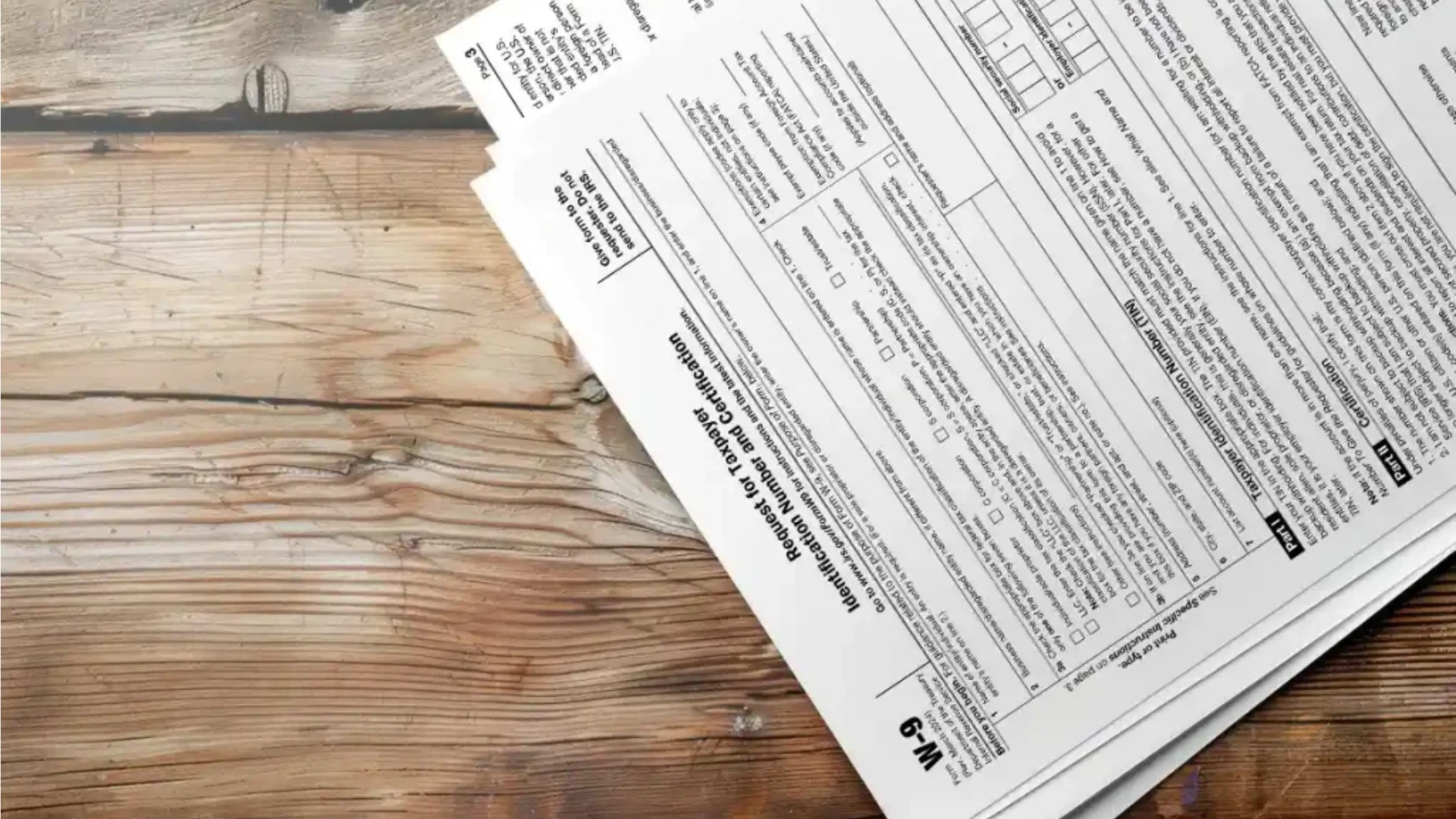
- Seamless Document Upload & Initial Processing: When a customer uploads a tax form (e.g., W-8, W-9) through a secure portal (if not collecting through an automated process like the Comply Exchange eForms application), advanced OCR technology immediately digitizes the information. This isn’t just basic text capture; modern OCR is enhanced to handle various document qualities, layouts, and even handwritten inputs with greater accuracy.
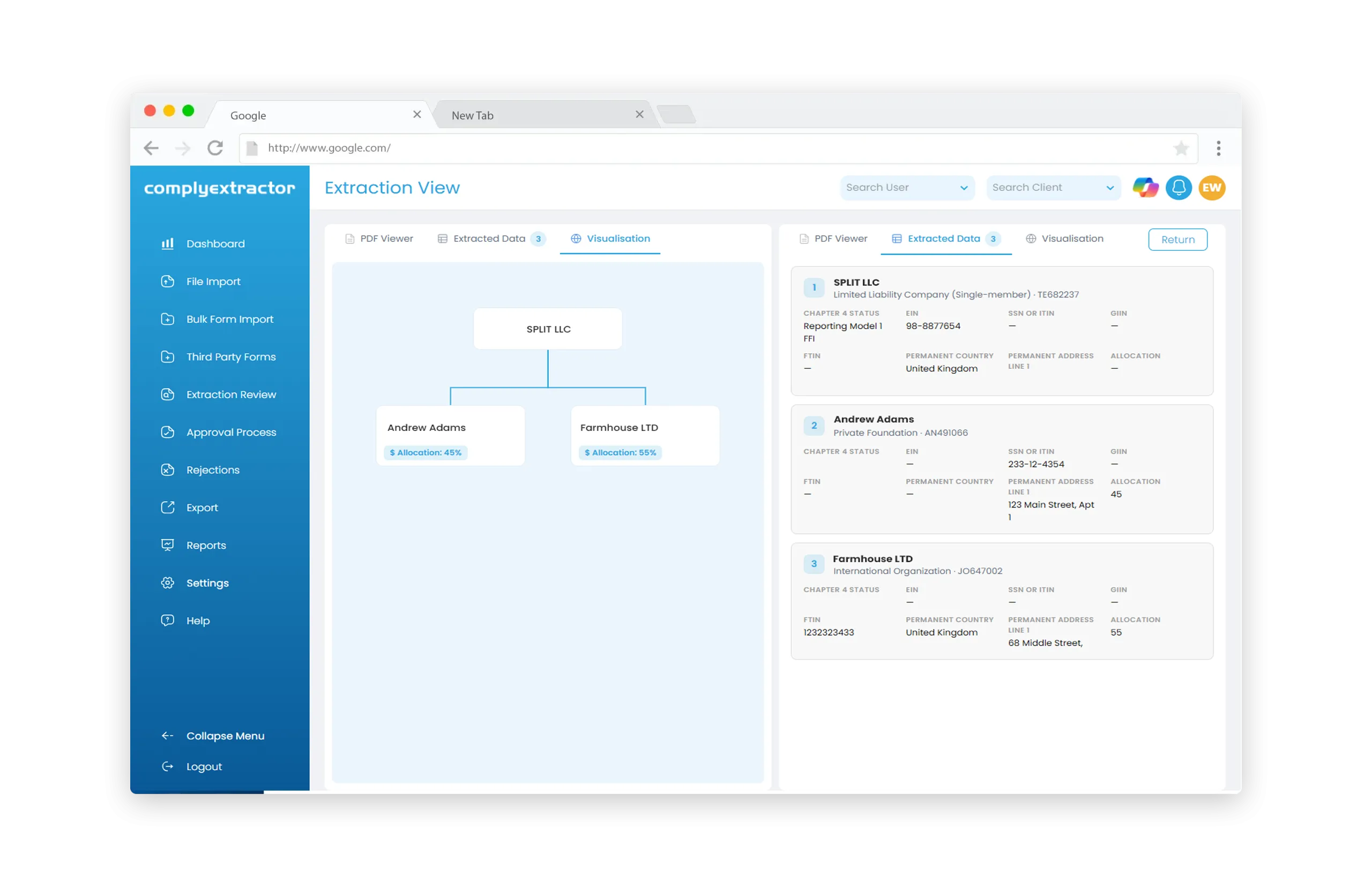
- AI-Powered Data Extraction & Validation: Once OCR captures the raw data, machine learning and natural language processing models step in to validate the accuracy of the data, offering instantaneous and seamless ways of comparing and updating data where required.
- Intelligent Field Recognition: AI identifies and correctly maps data to specific fields (e.g., name, address, TIN, chapter 3/4 status, GIIN), even if the form layout varies slightly or the scan quality is imperfect.
- Real-time Validation: AI algorithms can instantly validate extracted data against predefined rules and IRS requirements (e.g., correct TIN format, valid dates, completeness of mandatory fields). It can also cross-reference information with existing customer data from KYC processes to flag discrepancies.
- Reduced Manual Entry: This significantly reduces repetitive data entry for both the customer (if some fields can be pre-filled based on existing data and confirmed) and your internal teams.
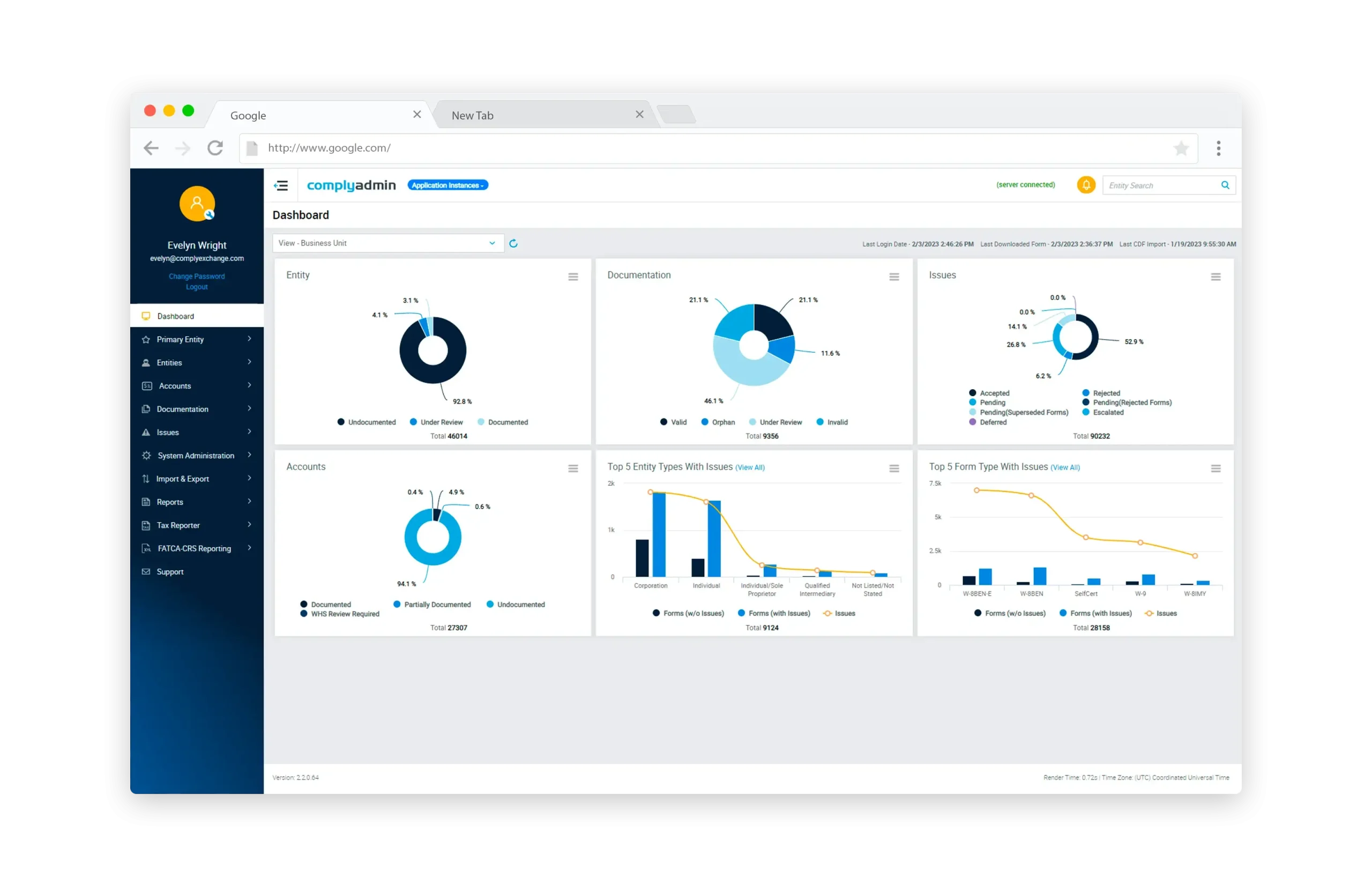
- Automated Change Detection: By incorporating AI-driven tax document requests into these established processes, businesses streamline the user experience. Furthermore, when updated forms are submitted, AI can compare the newly extracted data with previous records, automatically flagging changes in circumstance (e.g., a new address impacting treaty benefits, a change in entity type) that could expire or invalidate existing tax documentation. This creates an automated, intelligent tracking system.
This AI-enhanced integrated approach not only boosts efficiency and accuracy but also reinforces the perception of a cohesive, intelligent, and well-organized system. This is particularly important considering the sensitive information that is collected.

Smart Rollouts: Testing and Refining with Phased Approaches
A phased implementation strategy, characterized by soft launches and iterative improvements, is crucial for minimizing disruption and optimizing the AI-powered collection process. Instead of abruptly imposing new AI/OCR-driven requirements on the entire user base, organizations should:
- Conduct Pilot Programs with Diverse Data: Select user groups that represent a variety of document types, qualities, and potential edge cases. This is critical for testing the robustness of your OCR engines and the accuracy of your AI models.
- Train and Fine-Tune AI Models: The initial pilot phase provides valuable data to train and refine your machine learning models. For instance, if the AI struggles with certain handwriting styles or specific form versions, this data helps improve its accuracy over time. This is where “human-in-the-loop” validation can occur, where exceptions are reviewed by staff, and this feedback is used to further train the AI.
- Identify Points of Impact and Refine Workflows: The pilot will reveal where the AI/OCR integration excels and where bottlenecks or exceptions occur. This allows for the refinement of communication strategies (e.g., how to explain AI-driven validation to users) and the evaluation of different AI-assisted collection methods before a full-scale rollout.
- Iterative Improvement: This iterative approach enables businesses to fine-tune their AI algorithms and OCR configurations, ensuring a smoother, more accurate, and more user-friendly experience for all customers when fully deployed.

AI-Enhanced Communication: Clarity, Proactivity, and Support
Crucially, clear, proactive, and transparent communication, often facilitated by AI, is paramount in fostering trust and minimizing confusion.
- Personalized and Contextual Information: Customers must be informed in advance about the necessity of tax documentation. AI can help personalize this communication. For example, based on their profile, the system can specify exactly which documents are needed.
- Intelligent Guidance during Submission: As AI validates data extracted by OCR in real-time, it can provide immediate, specific feedback to the user if an error or omission is detected (e.g., “The TIN format appears incorrect, please double-check,” or “Part II, line 9a requires a selection if you are claiming treaty benefits”). This preempts frustration and reduces submission errors.
- AI-powered chatbots can be integrated into the submission portal to answer common questions 24/7, providing instant support regarding requirements, field definitions, or the submission process itself.
- Secure Submission Channels: Organizations must prioritize security by directing customers to log in directly to their secure accounts to upload documentation. AI can play a role here too, with behavioral analytics flagging suspicious login attempts or unusual submission patterns. Relying on direct portal access, rather than potentially vulnerable email links for document transmission, effectively mitigates phishing risks and reinforces commitment to data security.
By prioritizing customer experience and implementing these AI and OCR-enhanced strategies, businesses can transform tax document collection from a potential pain point into a seamless, intelligent, and efficient process, ultimately strengthening customer relationships and fostering long-term loyalty.
Stay Informed
Subscribing to our Comply Connect newsletter provides timely updates on critical regulatory changes. This guide along with automated solutions like those that Comply Exchange provides streamlines form collection, validation, and overall compliance, aiming to facilitate a smooth reporting season and mitigate potential penalties.