Backup withholding is federal income tax withholding that a payer must apply to certain reportable payments when specific IRS requirements are triggered, such as a missing or incorrect taxpayer identification number (TIN). The current backup withholding rate is 24%. Payers generally report backup withholding to the IRS on Form 945.
When not managed properly, backup withholding can disrupt payment workflows, create operational friction, and, most importantly, expose the payer to potential IRS liability. With the right controls and validation processes in place, however, organizations can identify backup withholding requirements early and apply them correctly, reducing downstream risk and surprises.
What is Backup Withholding?
Backup withholding is a statutory requirement that applies when a payer does not have a valid Taxpayer Identification Number (TIN) or has been instructed by the IRS to begin withholding on a payee. In these situations, the payer (as withholding agent) is required to withhold at the current backup withholding rate of 24% on certain reportable payments, and then remit those amounts withheld to the IRS.
Importantly, backup withholding is not optional. If withholding is required and not applied, the payer may become liable to the IRS for the amount that should have been withheld. Think of backup withholding as a protective mechanism for the IRS: when taxpayer data cannot be validated, withholding is required to help ensure tax is collected.
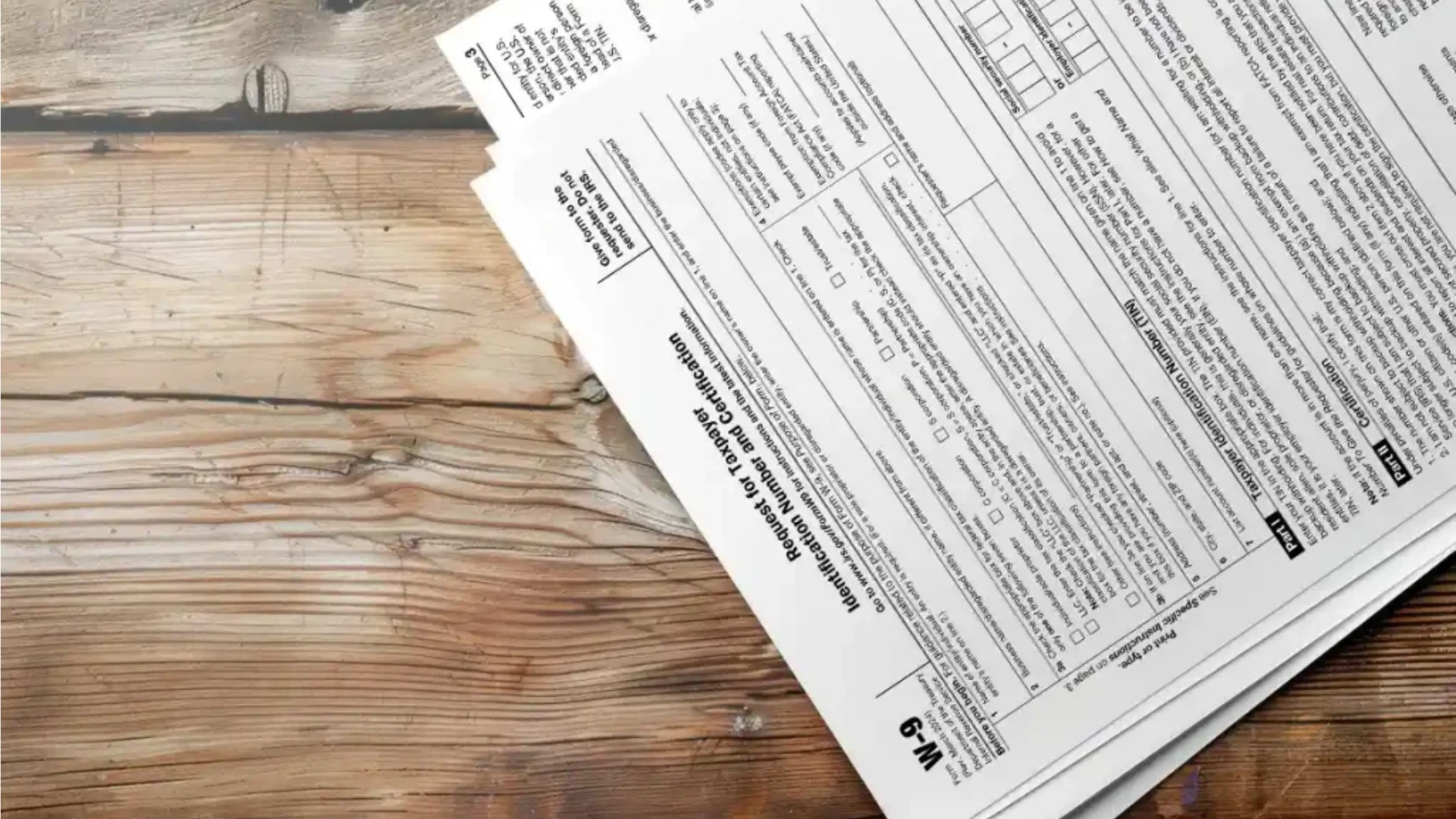
The IRS Form W-9 is an important document that helps keep a tax compliance process running smoothly.
Common Triggers for Backup Withholding
Backup withholding is typically required in the following situations:
- No TIN provided: The payee fails to furnish a completed Form W-9 or valid taxpayer identification number.
- Incorrect TIN provided: The TIN provided does not match IRS records.
- IRS notification (B-Notice or CP2100): The IRS notifies the payer of a mismatch or underreporting condition.
- Payee subject to backup withholding due to prior underreporting.
Managing Backup Withholding in Practice
When a payer is notified of a TIN issue (for example, via a B-Notice), the payer must request corrected documentation from the payee. If valid documentation is not received within the required timeframe, the payer must begin backup withholding on future reportable payments.
Because withholding obligations attach to the payer, failure to withhold when required may result in the payer being held financially responsible for the uncollected tax.
For this reason, early detection and consistent controls are critical.

Best Practices for Payers
Collect and validate W-9s/TINs at onboarding
- Obtaining a Form W-9 early is important, but equally critical is validating the TIN before payments begin. Proactive TIN matching can help identify issues before they become payment-time problems.
Monitor and respond promptly to IRS notices
- B-Notices and CP2100 notices require timely action. Delays can increase exposure and complicate remediation.
Maintain ongoing data quality controls
- Tax compliance is not a one-time event. Rules change, and payees’ circumstances can shift. Ongoing monitoring helps ensure records remain accurate as circumstances change.
Implement automated validation controls
- Automation can help flag missing or inconsistent data early in the lifecycle. While automation cannot eliminate backup withholding requirements, it can significantly improve the payer’s ability to apply withholding correctly and consistently.
Educate payees on documentation requirements
- Clear communication with payees helps reduce friction and encourages timely submission of accurate information.
The Bottom Line
Backup withholding cannot always be avoided, but it can be identified early, applied correctly, and managed efficiently with the right controls in place. Organizations that invest in proactive validation, monitoring, and automation are better positioned to reduce operational disruption, maintain strong payee relationships, and meet their withholding obligations with confidence.
At Comply Exchange, we focus on helping organizations stay ahead of evolving tax compliance requirements. Our resource center includes a range of insights and guidance to support your team throughout the reporting lifecycle. Be sure to subscribe to our mailing list so you don’t miss future posts and updates.
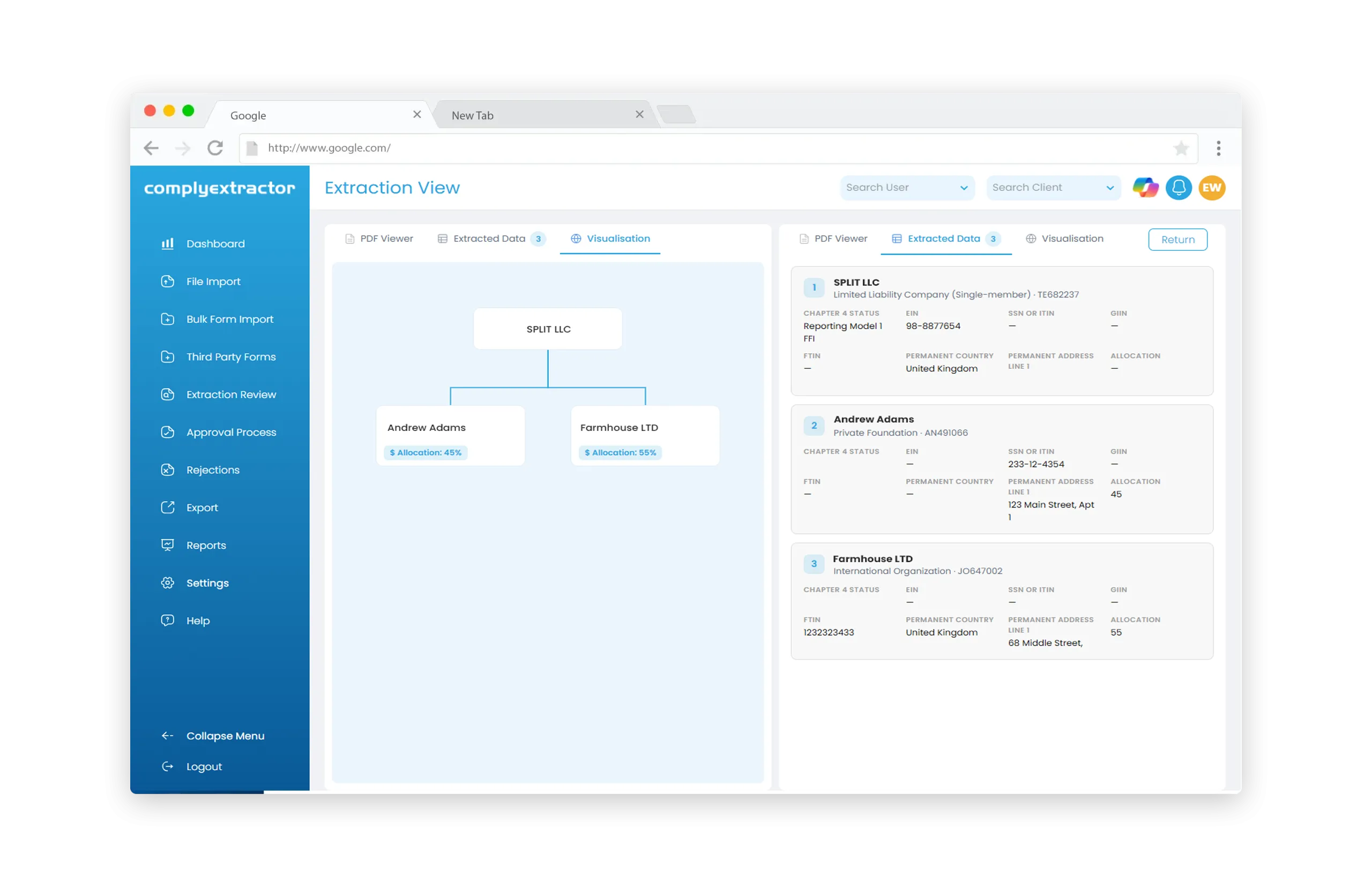
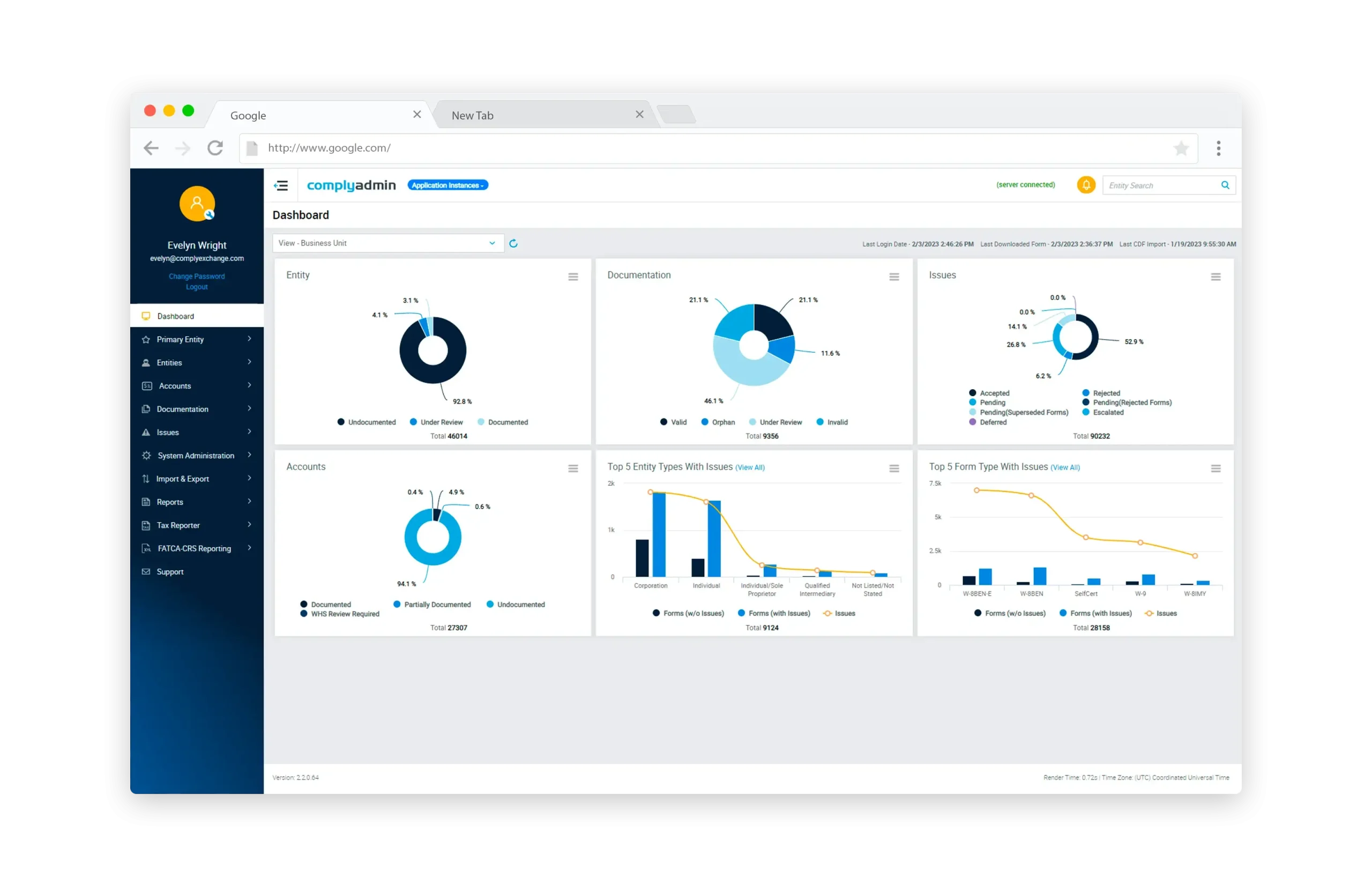
Our platform supports the automated collection and validation of IRS Forms W-8 and W-9 with built-in error detection, IRS TIN matching, and flexible onboarding capabilities. Comply Exchange helps payers identify backup withholding requirements early so you can apply withholding rates correctly, when required, and reduce downstream compliance risk. For payees, this translates into a smoother onboarding experience and fewer payment disruptions.
Frequently Asked Questions About Backup Withholding
The backup withholding rate is 24% of the reportable payment. For example, payers must withhold this amount and send it to the IRS when a payee’s tax ID is missing or incorrect.
No. Payroll withholding comes out of employee wages. Backup withholding applies to other payments, such as interest, dividends and contractor pay, and is reported separately.
No. Backup withholding only applies to certain reportable payments, and only when conditions are met, such as a missing or incorrect taxpayer identification number (TIN).
Generally, no. With a Second B Notice, the payee must get their TIN validated by the IRS or Social Security Administration, and send that proof to the payer. A new Form W-9 isn’t enough on its own.
Payers report backup withholding to the IRS on Form 945, Annual Return of Withheld Federal Income Tax. The amount withheld is also reported on the applicable information return provided to the payee, such as certain Forms 1099.