A filer may be able to establish reasonable cause for a missing or incorrect TIN if it can demonstrate that the failure was not due to willful neglect, that it acted responsibly before and after the failure, and that significant mitigating factors existed or the failure resulted from circumstances beyond its control. Proper initial and annual TIN solicitations are particularly important when demonstrating reasonable cause.
What is considered a Missing or incorrect TIN?
The IRS considers a reported name/TIN combination to be incorrect when it does not match or cannot be found in their records. This happens when a payor does not have a TIN on file for their payee or if the TIN on file is obviously incorrect. An obviously incorrect TIN is one that does not have nine numerical digits or that includes alpha characters. Note that although some filers treat repeated numbers as incorrect, the IRS does not include this in their definition of incorrect TINs (e.g., 11-1111111). In this case, the IRS will send the filer a Notice 972CG that includes a list of the information returns filed with missing or incorrect name/TIN combinations.
Missing Vs Incorrect TINS
| TIN issue | What it means | Example |
|---|---|---|
| Missing TIN | No TIN provided or TIN is obviously incorrect | Eight digits or letters included |
| Incorrect TIN | Name/TIN combination does not match IRS records | Correctly formatted TIN associated with different name |
What Is IRS Notice 972CG?
IRS Notice 972CG, Notice of Proposed Civil Penalty, is sent to filers when the IRS identifies potential failures related to information returns. These may include filing returns late, failing to file electronically when required, or submitting returns with missing or incorrect Taxpayer Identification Numbers (TINs). When missing or incorrect TINs are involved, the notice generally includes a list of the affected information returns so the filer can compare the information with its records. A filer that disagrees with the proposed penalty may request a waiver by demonstrating reasonable cause and showing that it acted responsibly before and after the failure. Filers generally have 45 calendar days from the notice date to respond, or 60 calendar days for foreign filers.
What Is Reasonable Cause for a Missing or Incorrect TIN?
Filers establishing that the failure to include a correct TIN was due to reasonable cause and not wilful neglect must establish that:
– They acted in a responsible manner both before and after the failure occurred (generally, making an initial solicitation or request for the payee’s name and TIN, and if required annual solicitations), and
– There were significant mitigating factors with respect to the failure (for example, an established history of filing information returns with correct TINs), or
– The failure was due to events beyond the filer’s control.
What Are the TIN Solicitation Requirements?
The filer must make an initial solicitation at the time the filer establishes a relationship with the payee either orally, by written request, or by electronic communication. The manner in which the payor requests the TIN is specified by the regulations (e.g., TINs may be provided orally for payments to a U.S. person for personal services income, but not for payments of interest or dividend income). If a filer does not have a correct payee TIN on file after the initial solicitation, then the filer will have to conduct annual solicitations for a correct TIN. Annual solicitations may be made in one of the following ways:
– Annual solicitations by mail. These solicitations must include three items to the payee:
- A letter stating that the payee must provide an accurate TIN and that failure to do so may result in a penalty.
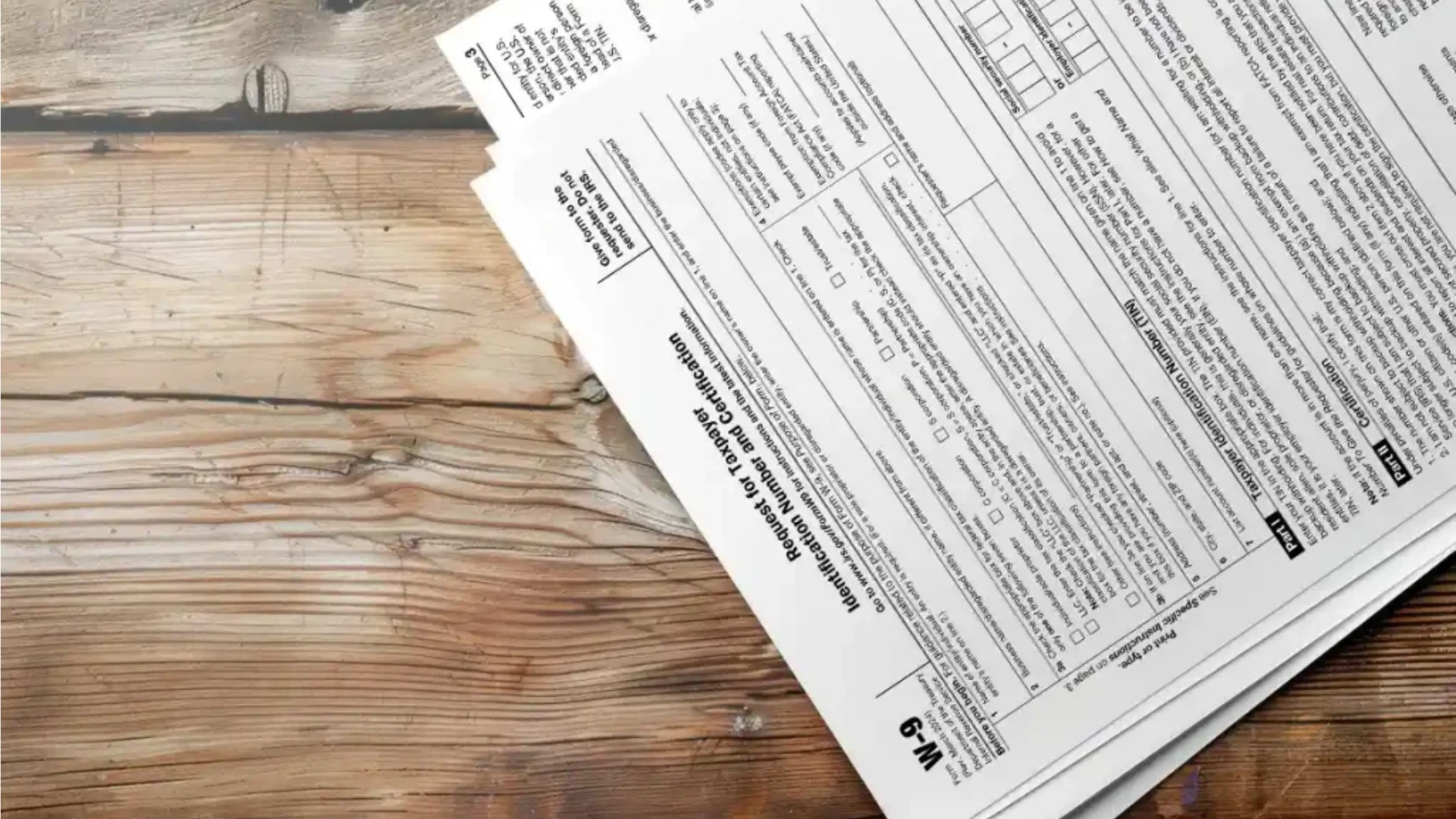
- Form W-9, Request for Taxpayer Identification Number and Certification, as applicable or a substitute document that meets the substitute form requirements specified by the regulations and IRS guidance.
- A return envelope.
– Annual solicitations by telephone. These solicitations are available where the payor is allowed to request a TIN orally, and may be conducted by:
- Calling each payee with a missing or incorrect name/TIN combination and speaking to an adult member of the household, or to an officer of the business or organization.
- Requesting the payee’s TIN.
- Informing the payee of the penalty if the TIN is not provided.
- Maintaining contemporaneous records showing the solicitation was made properly.
- Providing the records to the IRS, if requested.
– Annual solicitations electronically. These solicitations may be made by establishing an electronic system for payees to receive and respond to solicitations. The electronic system must, at a minimum:
- Confirm that the information received is the information sent, and document all occasions of user access that result in the submission.
- Be reasonably certain the person accessing the system and submitting the form is the person identified on the Form W-9.
- Provide the same information as the paper Form W-9.
- Provide for a penalty of perjury statement.
- Require as the final entry in the submission, an acceptable form of electronic signature by the payee, whose name is on the Form W-9 and authenticates and verifies the submission.
- Be able to supply a hard copy of the electronic Form W-9 if requested by the IRS.
To claim reasonable cause for conducting the required solicitation in the appropriate manner, the filer must have made the solicitation for the tax year in which the penalty is being proposed (e.g., a filer made the initial solicitation during 2020 and included the TIN provided by the payee on its 2020 information return). If the filer can demonstrate that it acted in a responsible manner for that same year, then the IRS may waive the penalty.
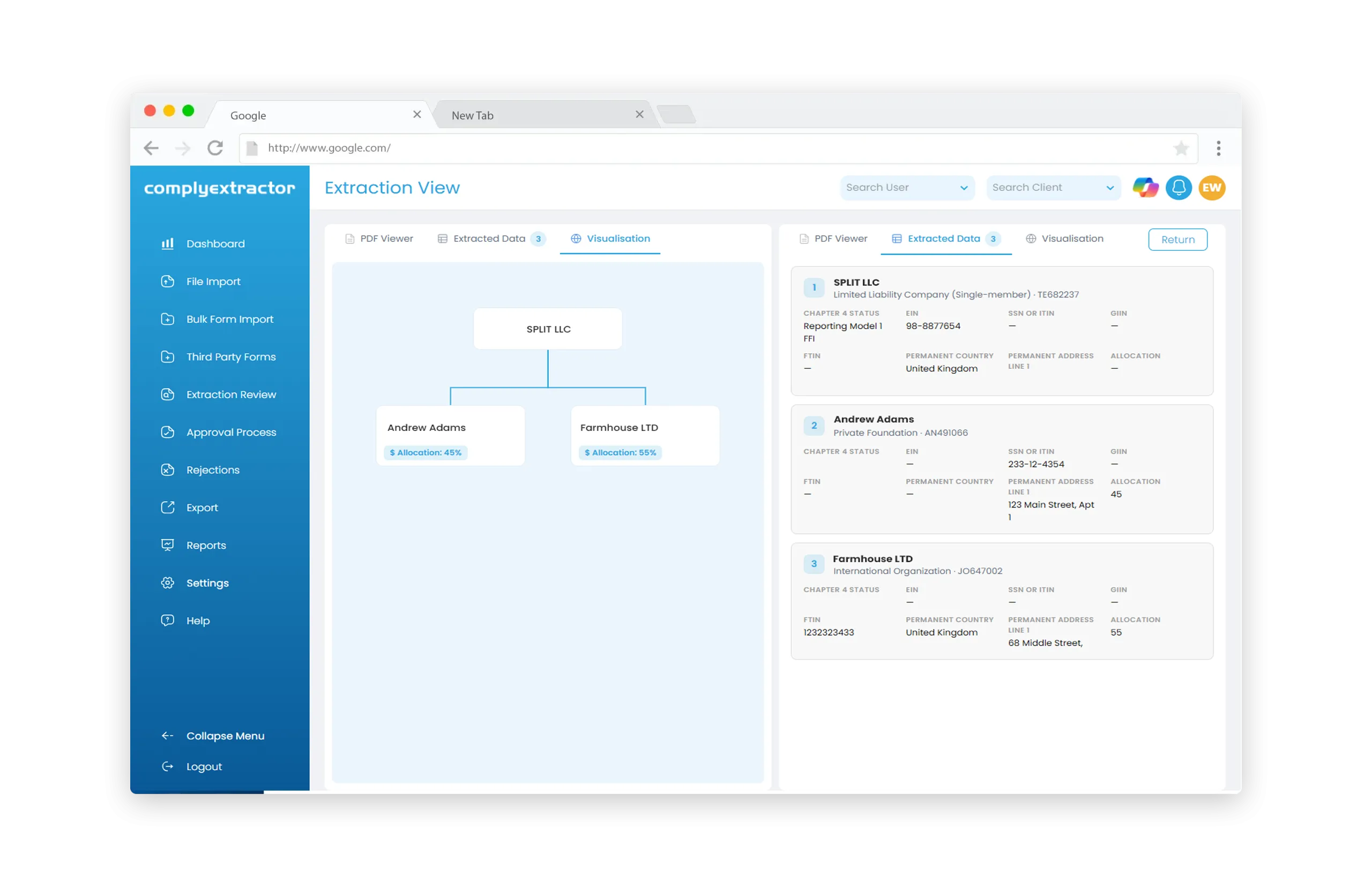
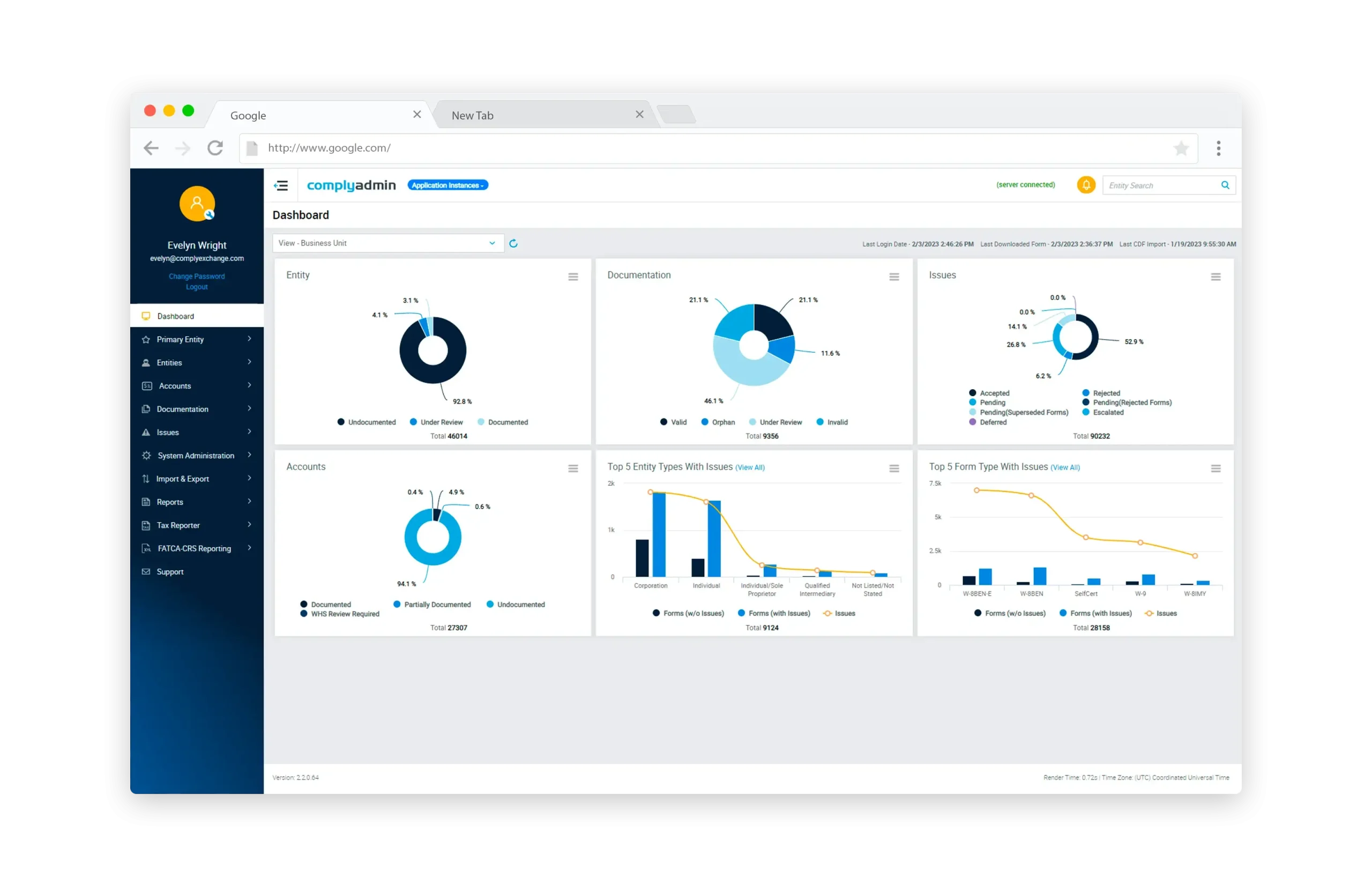
Filers requesting a waiver due to reasonable cause in this situation should consider whether they provide for an electronic system or use an automated TIN validation solution. Also, consider using the IRS TIN Matching Program to help eliminate any TIN issues when filing. Finally compare the IRS payee listing with filer records to determine if the name/TIN combinations agree or disagree.
Make sure to follow Comply Exchange for more industry updates and subscribe to the Comply Catch-up for a full industry round-up at the end of each month!
Frequently Asked Questions
Reasonable cause may allow a filer to avoid certain information return penalties if it can demonstrate that the failure was not due to willful neglect. Generally, the filer must show that it acted responsibly before and after the failure and that significant mitigating factors existed or the failure resulted from circumstances beyond its control. Maintaining records of required TIN solicitations can be important when establishing reasonable cause.
Notice 972CG is a Notice of Proposed Civil Penalty that may be issued when the IRS identifies failures involving information returns, including missing or incorrect TINs. CP2100 and CP2100A notices, by contrast, notify payers that information submitted on certain returns contains missing or incorrect name/TIN combinations. A CP2100 or CP2100A notice may require the payer to follow applicable B Notice and backup withholding procedures.
Potentially. The IRS may waive certain information return penalties when a filer can establish reasonable cause and demonstrate that it acted responsibly. This may include making required TIN solicitations, maintaining appropriate records, responding to identified errors, and taking steps to correct the information. Whether penalty relief is available depends on the specific facts and circumstances.