As global tax collection and reporting requirements continue to evolve, maintaining accurate and up-to-date tax documentation remains a critical challenge for compliance and tax operations teams. Expired or invalid Forms W-8 can expose organizations to unnecessary withholding risk, reporting inaccuracies, and operational inefficiencies, often going unnoticed until filing season arrives or penalties are assessed.
For organizations across industries managing large volumes of tax documentation, manual validation and tracking processes are no longer sustainable. Monitoring expiration dates, changes in circumstance, validating entity information, and maintaining audit-ready records demands a more proactive approach.
Which W-8 Forms Expire?
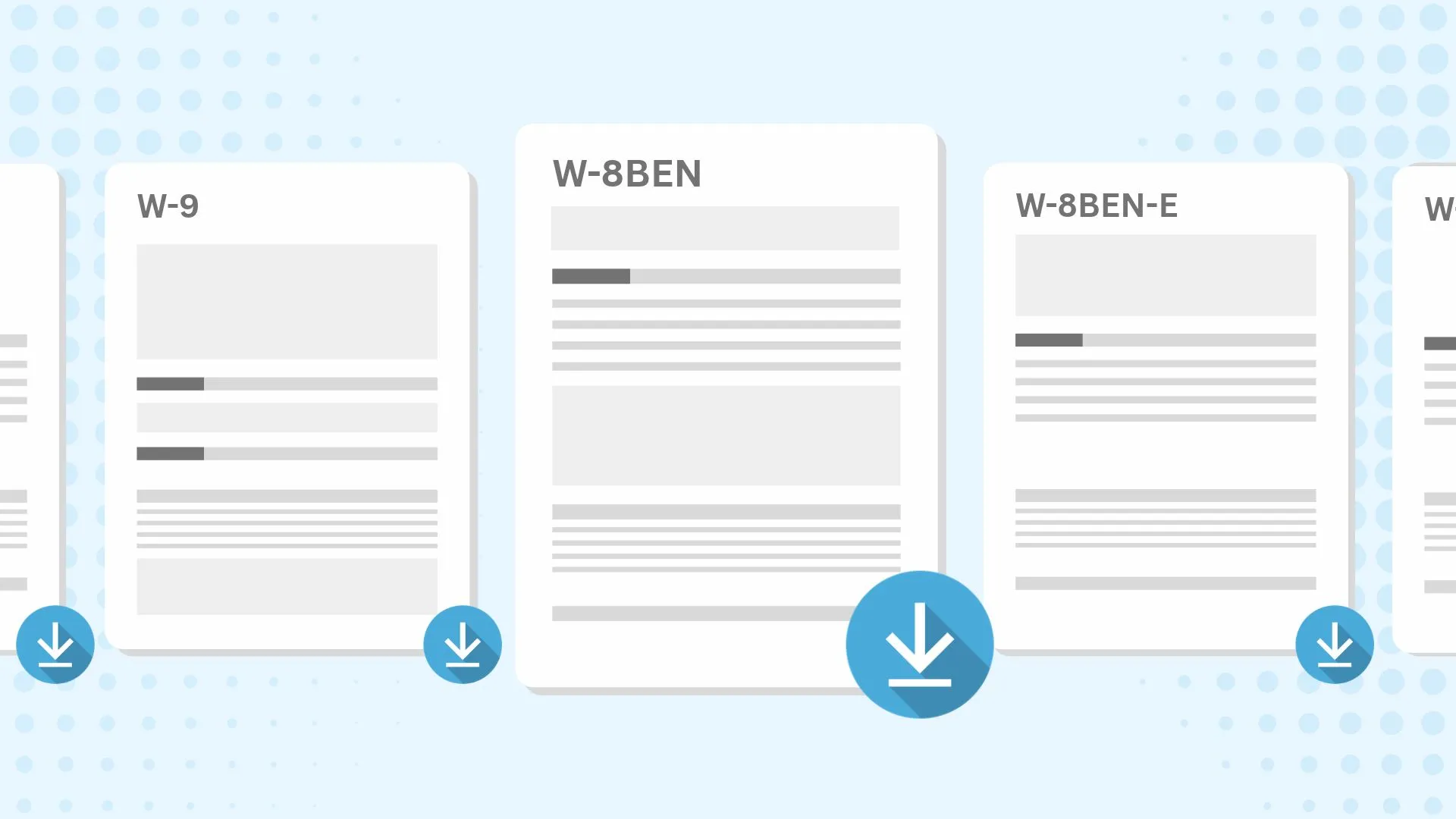
While W-8 validity rules can vary depending on the form type and circumstances, several commonly used forms require periodic renewal to remain valid for U.S. withholding purposes. Forms such as the W-8BEN and W-8BEN-E are generally valid through the end of the third calendar year following the year in which they are signed, unless a change in circumstances renders the information on the form incorrect before that time. The Form W-8IMY, on the other hand, remains valid indefinitely as long as the information and certifications on the form remain accurate. That said, expiration considerations may extend beyond the Form W-8 itself. Related documentation, such as supporting documentation, withholding statements, and other associated certifications, may be subject to separate validity and renewal requirements.
| Form Type | Purpose |
| W-8BEN – Individuals | Used by non-U.S. individuals to certify foreign status and claim reduced withholding rates under an applicable tax treaty. |
| W-8BEN-E – Entities | Used by non-U.S. entities to certify foreign status and claim tax treaty benefits where applicable. |
| W-8IMY – Intermediaries / Flow-Through Entities | Used by foreign intermediaries and flow-through entities to certify their status and transmit documentation for beneficial owners. |
| W-8EXP – Foreign Governments, International Organizations and Foreign Tax-Exempt Organizations | Used to certify exemption from certain U.S. withholding tax requirements. |
| W-8ECI – Individuals or Entities with Effectively Connected Income | Used to certify that income received from U.S. sources is effectively connected with a U.S. trade or business. |
When Does a Change in Circumstances Invalidate a W-8?
The ‘three-year rule’ only applies as long as the information on the form remains accurate. If circumstances change, the form becomes invalid immediately, regardless of its original expiration date. Common triggers include:
- Changes in basic identify information including a change in name
- Change in tax residency or country of incorporation
- Change in entity classification or tax status
- Loss or change of treaty eligibility
- Change of address
What Happens When a W-8 Expires or Renewal Is Missed?
A W-8 expiration is more than an administrative issue, it can directly impact your withholding and reporting obligations.
When a Form W-8 is no longer valid, a withholding agent may no longer be able to rely on the documentation to support a payee’s foreign status, beneficial owner status, or claim to treaty benefits. Depending on the facts and circumstances, this may require withholding at the applicable default rate, which is currently at 30% on U.S.-source FDAP income, until updated documentation is obtained.
The challenge is that expiration events are rarely isolated. Organizations often manage thousands—or even millions—of tax forms across multiple business units, payment streams, and jurisdictions. Without a process for monitoring validity periods and changes in circumstances, expired documentation can go unnoticed until a payment is about to be made, creating operational disruption and compliance risk.
Potential consequences include:
- Application of default withholding where valid documentation is not on file
- Inability to apply treaty benefits or reduced withholding rates, potentially resulting in underwithholding if documentation deficiencies go undetected
- Increased reporting and withholding errors
- Delays in payment processing while documentation is obtained and reviewed
- Additional scrutiny during IRS examinations or internal audits
- Increased operational effort associated with outreach, remediation, and exception management
For many organizations, the largest cost is not the withholding itself, it’s the effort required to identify expired forms, obtain updated documentation, validate the information received, and resolve issues under tight deadlines. However, the financial impact should not be overlooked. Penalties, interest, and exposure arising from underwithholding, incorrect reporting, or insufficient documentation can accumulate quickly, particularly when documentation issues affect a large population of payees.
How to Manage W-8 Expirations and Renewals
Many organizations focus on collecting documentation during onboarding but have limited visibility into what happens afterward.
A valid W-8 today may not be valid tomorrow. Forms expire, withholding statements require updates, supporting documentation may need to be refreshed, and changes in circumstances can invalidate documentation before its scheduled expiration date.
Maintaining compliance therefore requires more than document collection. It requires ongoing monitoring of documentation validity, automated tracking of upcoming expiration events, and processes to identify and respond to changes that affect withholding and reporting outcomes.
Organizations that take a proactive approach can significantly reduce the operational burden associated with renewals while maintaining greater confidence in the accuracy of their withholding and reporting positions.
Rather than scrambling to obtain documentation when a payment is due, compliance teams can identify upcoming expirations well in advance, engage payees proactively, and maintain a complete audit trail throughout the documentation lifecycle.
Effective tax documentation management is not a one-time exercise, it is an ongoing compliance process.
Automate W-8 Expiration Tracking with Comply Exchange
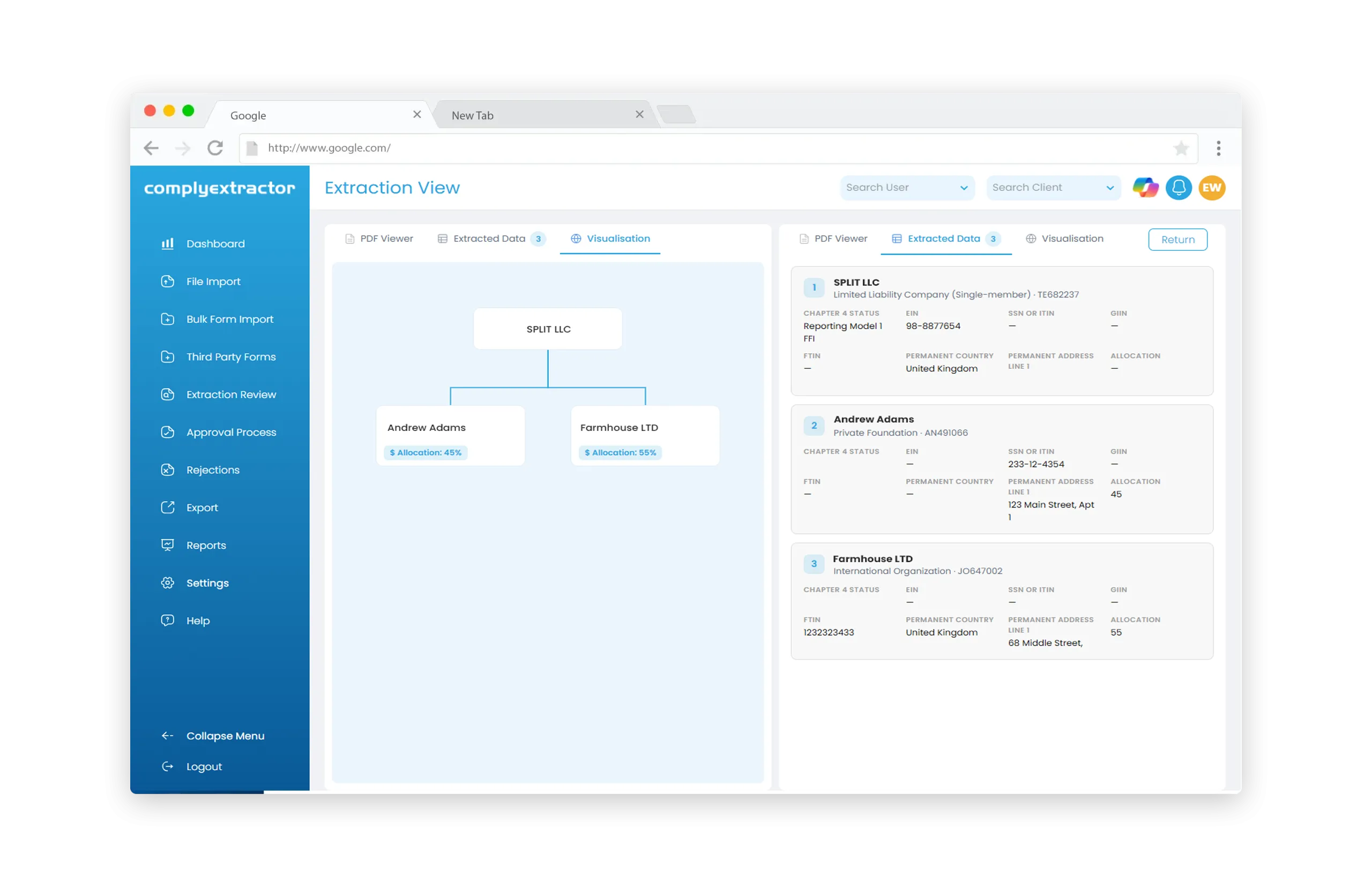
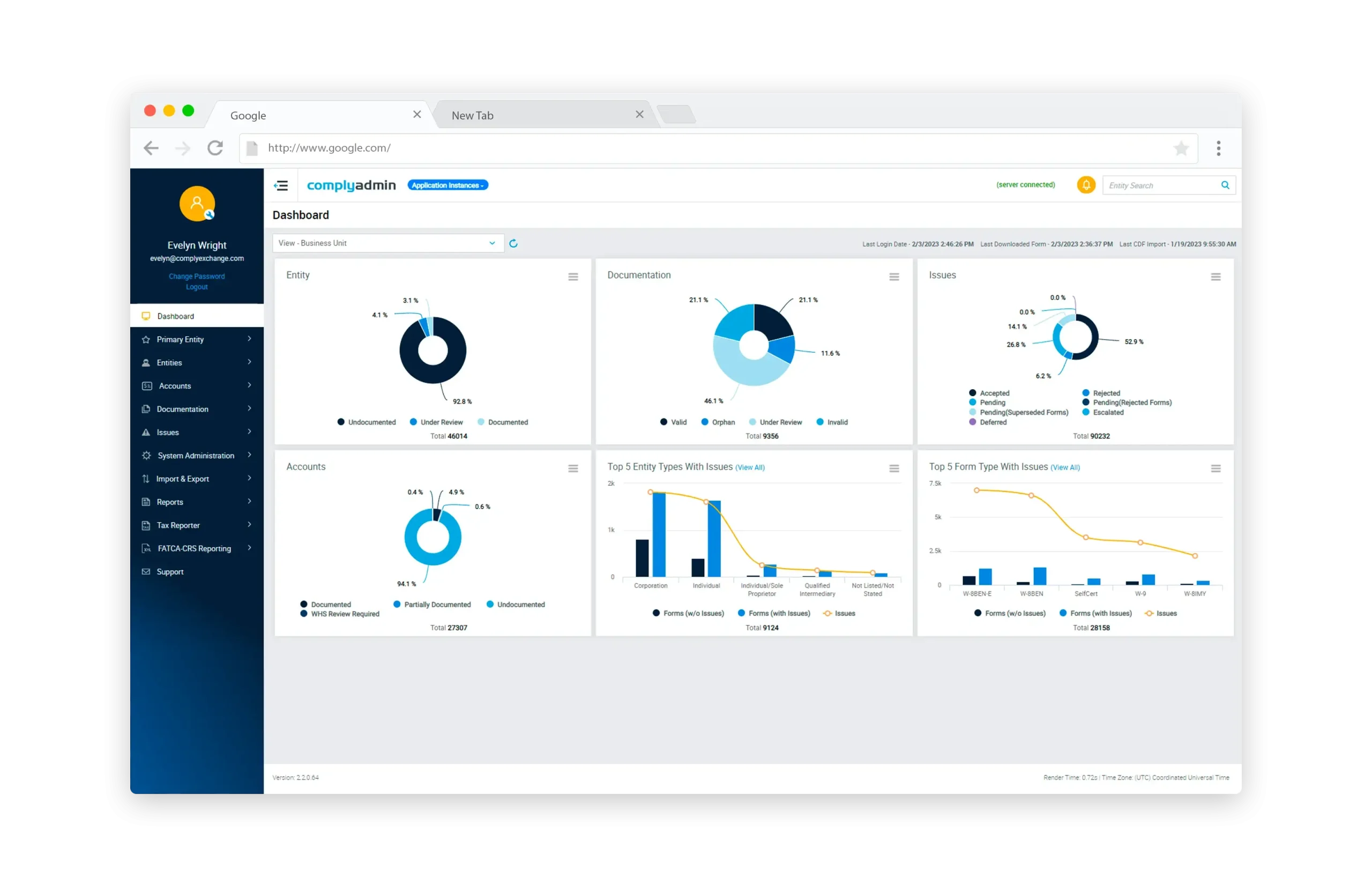
With Comply Exchange’s all-in-one solution, organizations can automate documentation collection, validation, expiration tracking, change-in-circumstance monitoring, and renewal outreach through a single platform, helping transform tax documentation management from a reactive exercise into a controlled, scalable compliance program.
Frequently Asked Questions
Many Forms W-8, including Forms W-8BEN and W-8BEN-E, are generally valid from the date they are signed through the end of the third succeeding calendar year. However, validity periods can vary depending on the type of Form W-8 and the circumstances.
If a Form W-8 expires and a valid replacement has not been obtained, the withholding agent may no longer be able to rely on the form to determine the payee’s foreign status or eligibility for a reduced rate of withholding. This can result in additional withholding and compliance requirements.
Yes. A Form W-8 may become invalid before its normal expiration date if there is a change in circumstances that makes information on the form incorrect or unreliable. When this happens, updated documentation may be required rather than waiting for the existing form to reach its expiration date.